When business owners in Manchester think about cyber security, many still believe ransomware is a problem that only affects big banks, government systems, or global enterprises. The truth is very different. In 2025, ransomware remains the single biggest cyber threat to small and medium sized businesses across the UK, and the North West has become a regular target.
The appeal for attackers is simple: SMEs often lack in-house cyber expertise, yet they hold valuable customer data, financial information, and digital assets. For criminals, this is a profitable and relatively easy target.
The Rise of Ransomware in Manchester
Recent figures show that ransomware attacks against SMEs in the UK are increasing year on year. Manchester, as a hub for financial services, professional services, and digital businesses, has seen a surge in targeted attacks. Local firms have reported:
- Encrypted systems that halt operations overnight.
- Customer data stolen and used for extortion.
- Staff locked out of email, order systems, or finance platforms.
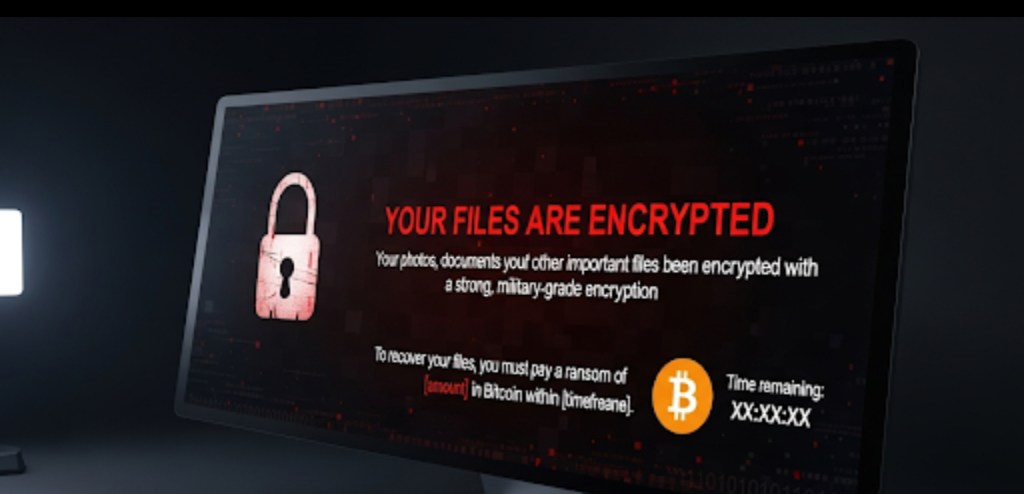
Attackers are also becoming more sophisticated. It is no longer just about locking down your files and demanding Bitcoin. Modern ransomware groups now combine encryption with data theft, threatening to leak sensitive information unless businesses pay.
Why Ransomware Works So Well
Ransomware succeeds because it exploits gaps in everyday IT setups. The most common weaknesses we see in Manchester SMEs include:
- Lack of reliable backups: many firms still rely on old-fashioned backups stored on the same network, which get encrypted along with everything else.
- Poor patching and updates: outdated software and systems create easy entry points.
- Weak staff awareness: phishing emails remain the number one delivery method for ransomware.
- No incident response plan: when the worst happens, businesses panic instead of acting quickly.
The Cost of an Attack
The cost of ransomware goes far beyond the ransom demand itself. In fact, many businesses that pay never recover all their data. The real damage comes from:
- Downtime: days or weeks of lost productivity.
- Reputation: loss of trust with customers and clients.
- Regulatory fines: failure to protect data may lead to ICO penalties under GDPR.
- Lost valuation: businesses preparing for investment or sale may see their value reduced if cyber security controls are weak.
How Manchester SMEs Can Protect Themselves
The good news is that ransomware can be prevented and its impact reduced with the right strategy. At North Signal, we recommend SMEs in Manchester focus on:
1. Secure backups
Keep multiple backups, including at least one off-site or cloud-based copy that cannot be accessed by attackers.
2. Regular patching
Update operating systems, applications, and security tools as soon as fixes are released.
3. Staff training
Run awareness sessions so employees can recognise phishing attempts and malicious links.
4. Incident response planning
Have a clear plan so everyone knows what to do if ransomware strikes, from isolating systems to contacting insurers.
5. Compliance and governance
Adopt frameworks such as ISO 27001, PCI DSS, and GDPR best practices to formalise your security.
How North Signal Can Help
At North Signal, we provide Virtual and Fractional CISO services in Manchester, along with IT audits and compliance reviews. We work with SMEs across the North West to:
- Assess current cyber security risks.
- Implement policies and controls that reduce exposure to ransomware.
- Deliver governance and reporting frameworks that reassure boards, investors, and clients.
- Prepare businesses for ISO 27001 certification or compliance checks during due diligence.
 North Signal